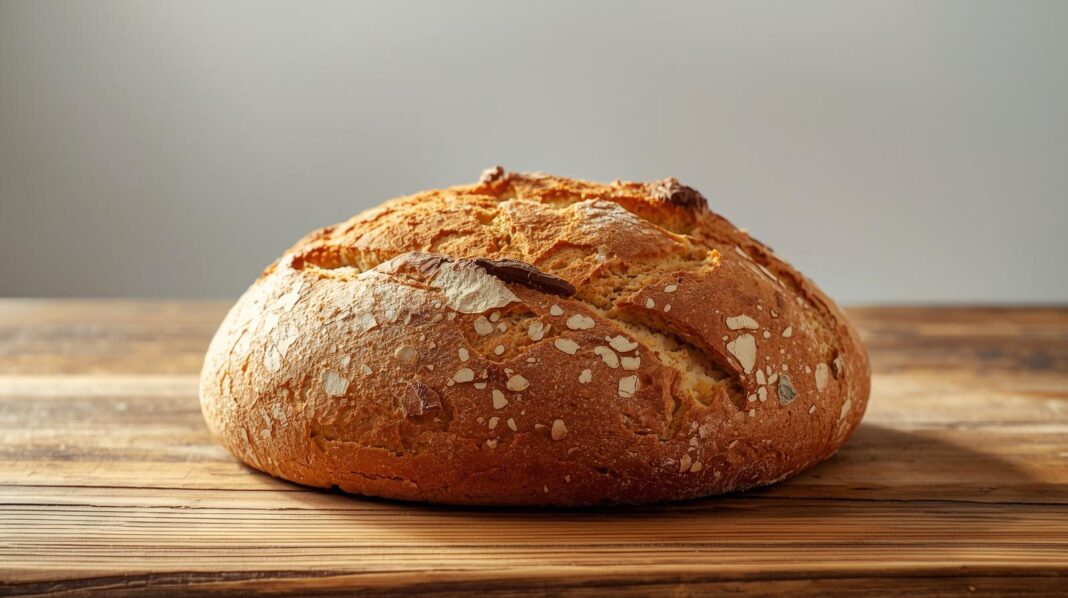
Baking sourdough bread at home may seem intimidating, but this beginner sourdough bread recipe makes it simple and approachable. With just a few ingredients and a little patience, you can create a soft, chewy, tangy loaf right in your own kitchen. No complicated techniques, no special equipment—just flour, water, salt, and your active sourdough starter.
If you’ve ever wanted to bake real sourdough bread but didn’t know where to start, this step-by-step guide will walk you through the entire process. By the end, you’ll have a loaf that smells amazing, tastes incredible, and impresses anyone who tries it.
Why This Recipe Works for Beginners
Sourdough baking can feel intimidating because traditional recipes often involve multiple steps and technical instructions. This beginner sourdough bread recipe simplifies everything:
-
No kneading required: Let time do the work.
-
Step-by-step instructions: Clear instructions from mixing to baking.
-
Flexible schedule: Works even if your days are busy.
-
Perfect texture and flavor: soft interior, golden crust, and tangy taste.
This recipe is perfect for Americans who want real sourdough bread without the stress of traditional baking methods.
Ingredients You’ll Need
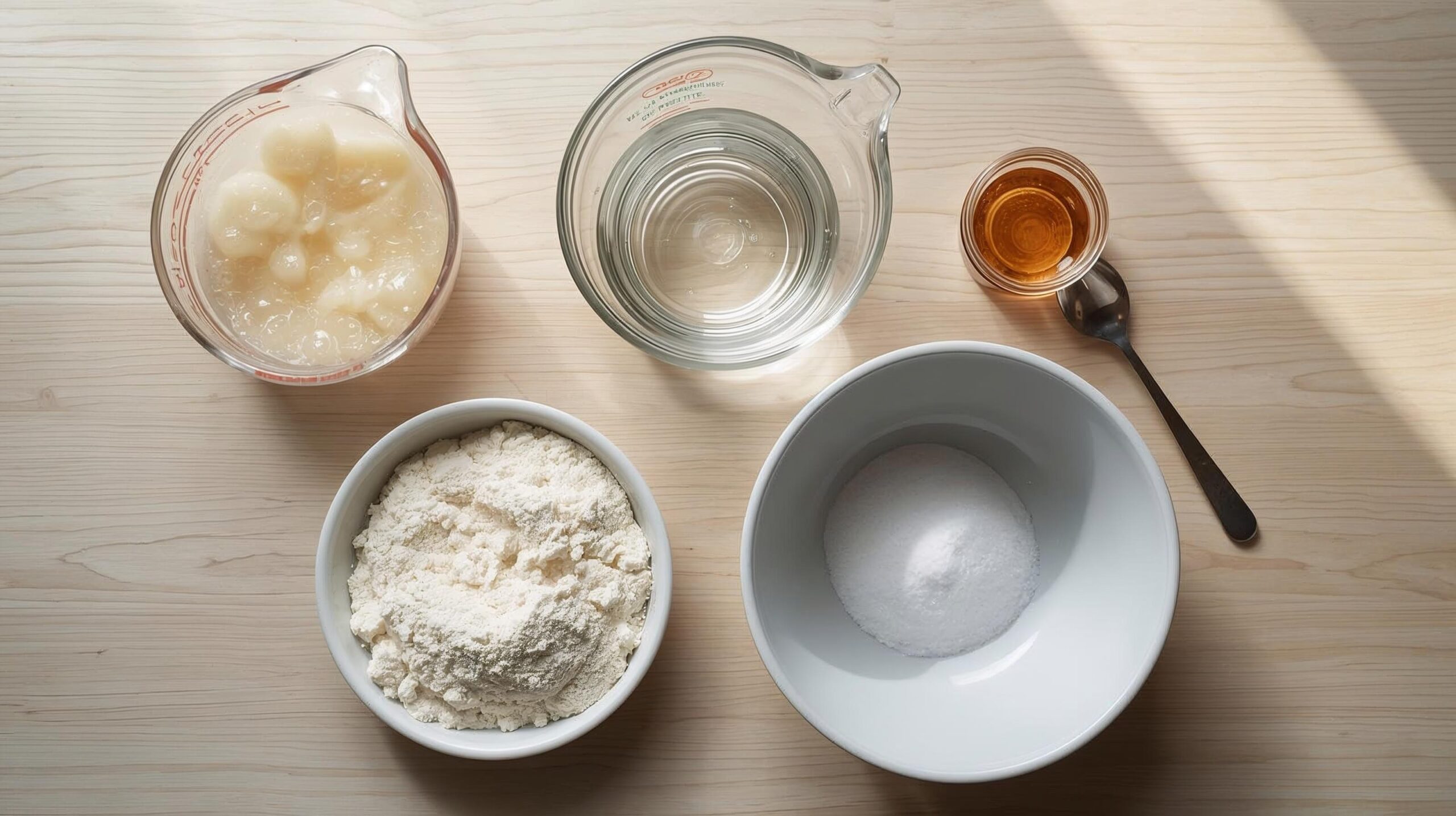
For one medium loaf (about 1.5 pounds):
-
1 cup active sourdough starter (from your sourdough starter recipe)
-
1 ½ cups warm water (room temperature)
-
4 cups all-purpose flour (can mix 1 cup whole wheat for added flavor)
-
2 tsp salt
-
Optional: 1 tsp sugar or honey (helps fermentation slightly)
Equipment Needed
-
Large mixing bowl
-
Wooden spoon or spatula
-
Dutch oven or baking stone
-
Kitchen scale (optional but recommended)
-
Clean kitchen towel or plastic wrap
If you don’t have an active starter yet, don’t worry! You can make your own at home—here’s our Easy Sourdough Starter Recipe for Beginners (No Yeast, Step-by-Step) to get started.”
Step 1: Mixing the Dough
-
In a large mixing bowl, combine 1 cup active sourdough starter with 1 ½ cups warm water.
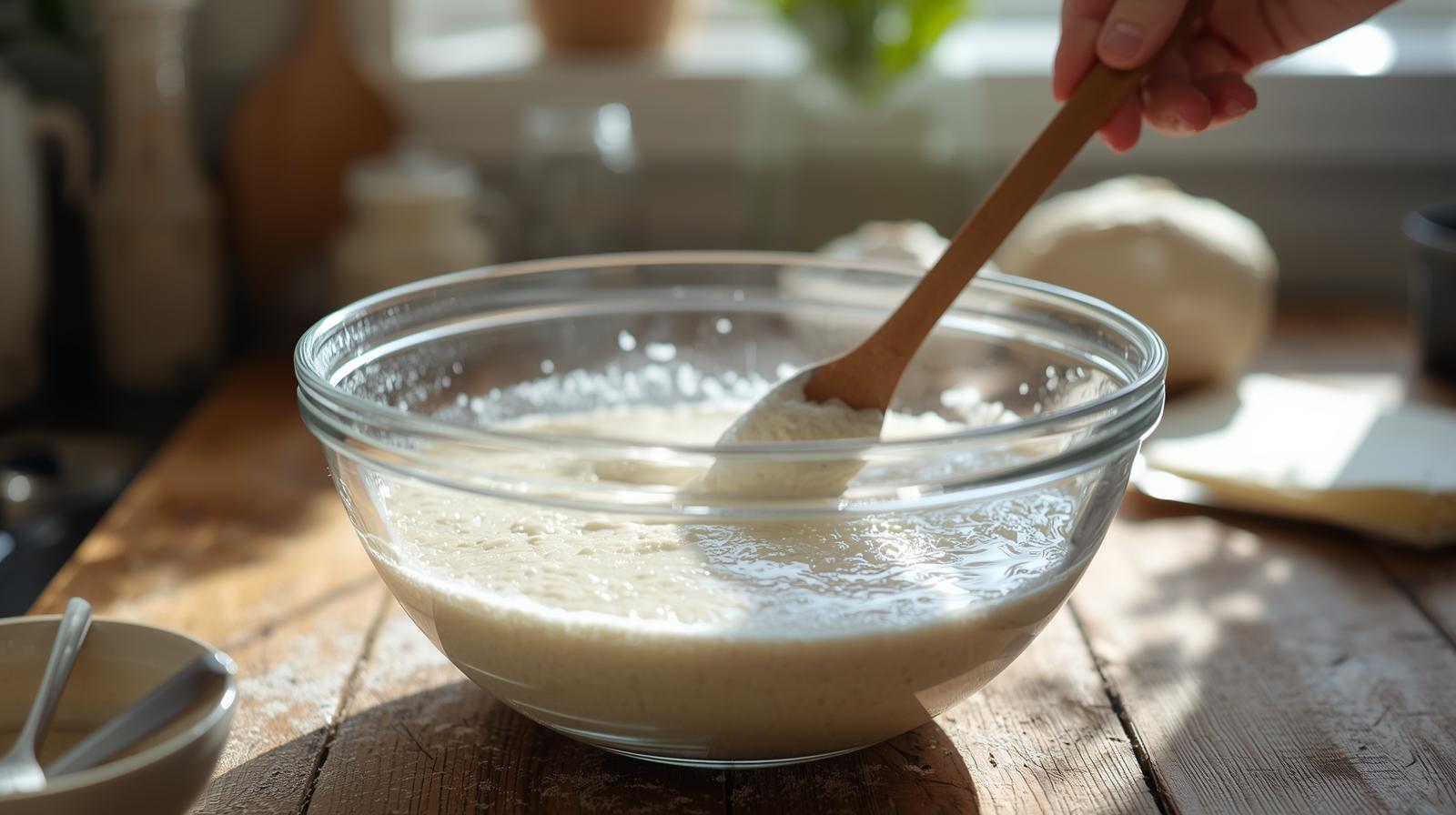
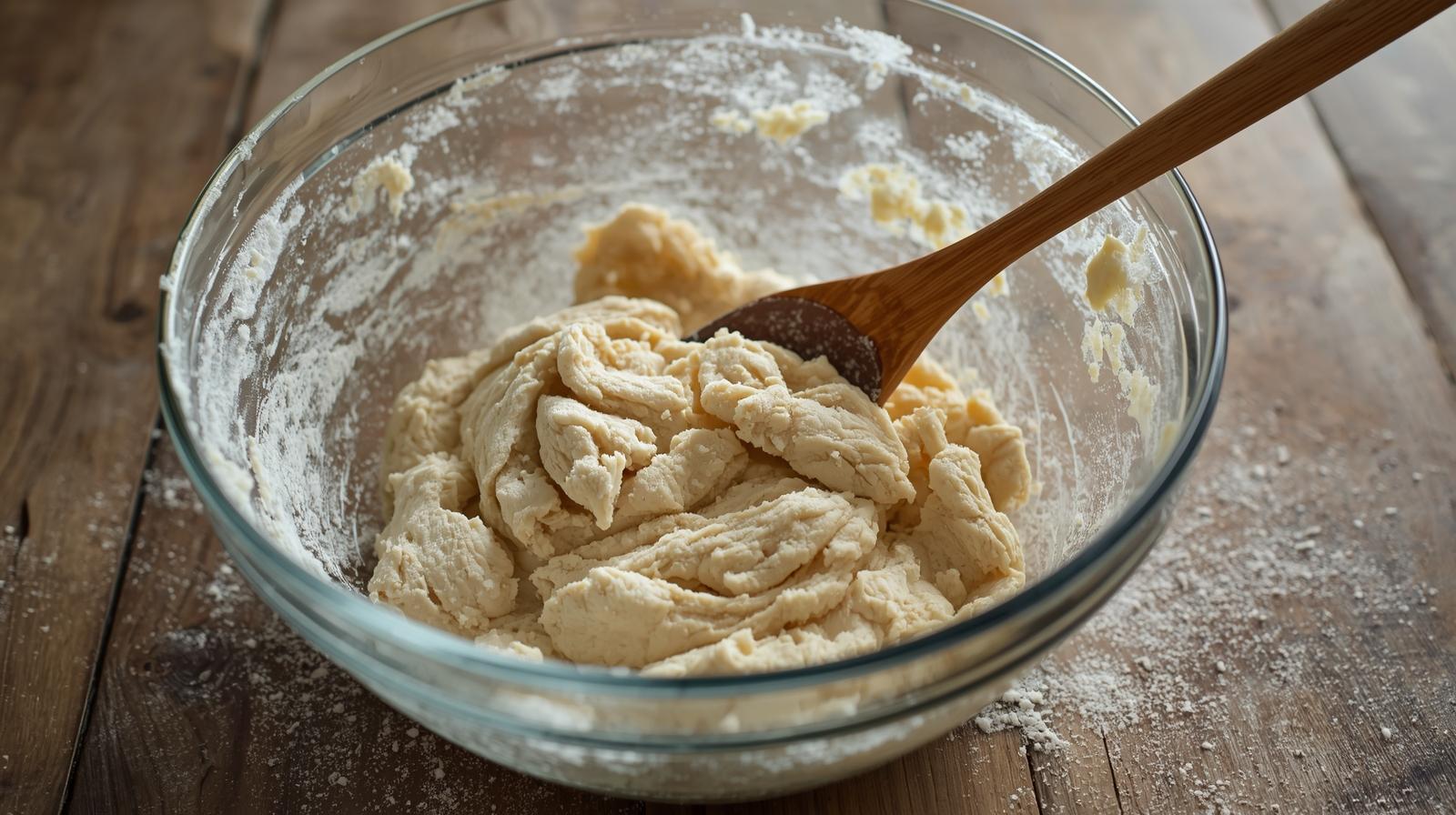
2. Add 4 cups of flour and 2 tsp of salt. Mix with a wooden spoon until no dry flour remains.
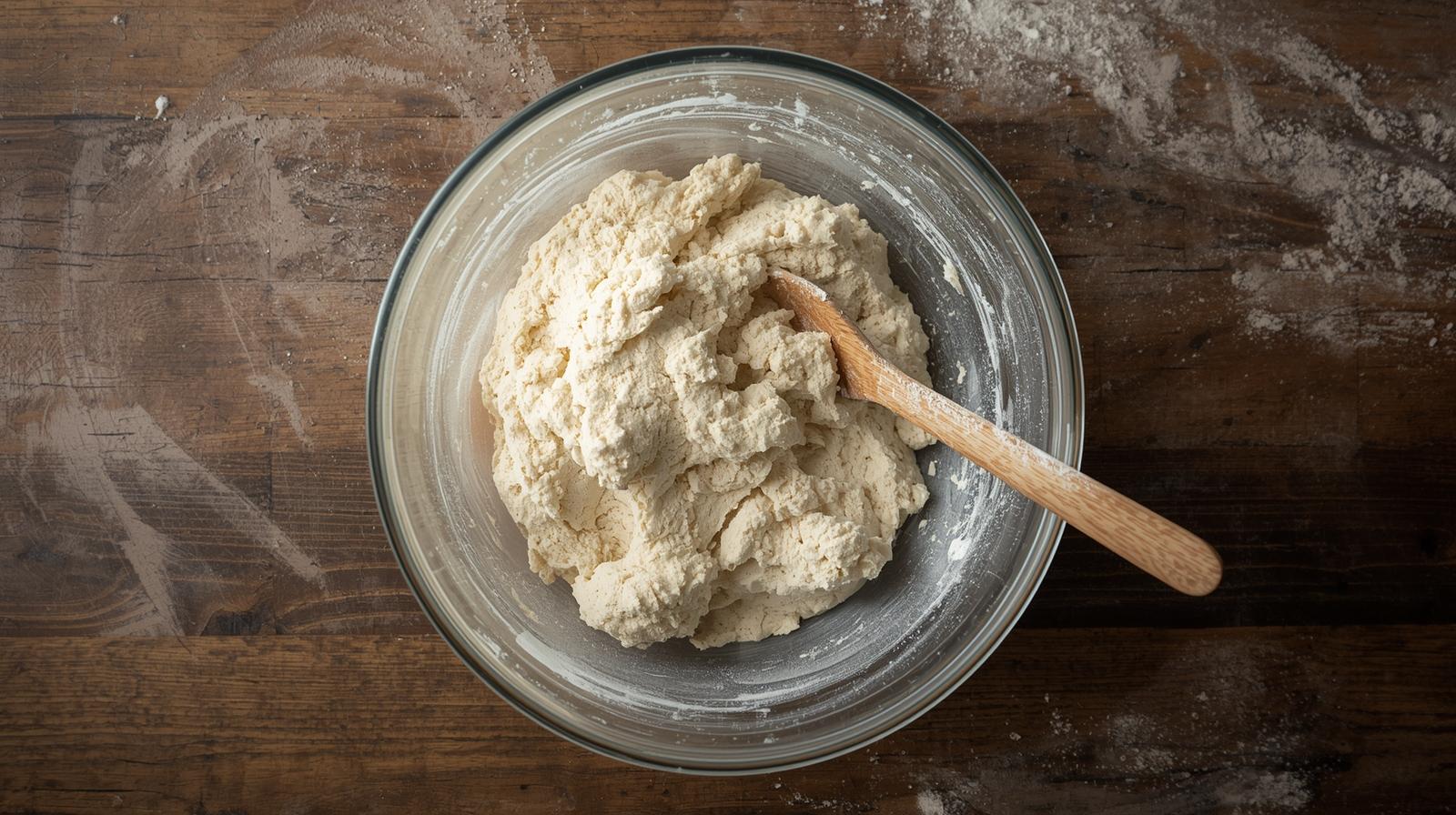
3. The dough will be sticky and shaggy—that’s normal!
4. Cover the bowl loosely with a clean towel or plastic wrap.
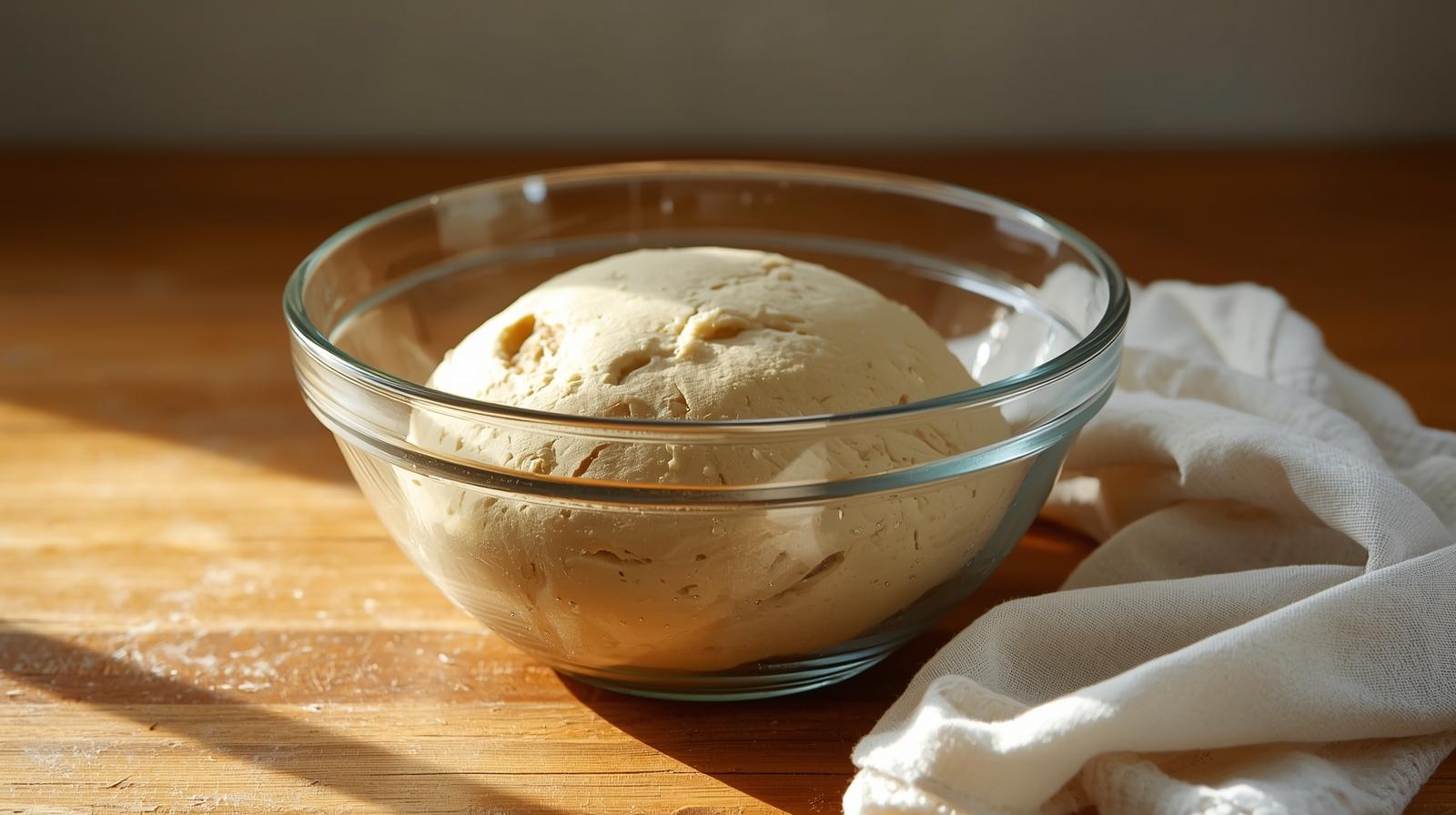
Tip: Don’t worry about kneading. The long fermentation will develop gluten naturally.
Step 2: First Rise (Bulk Fermentation)
-
Let the dough rest at room temperature for 8–12 hours. Overnight works perfectly.
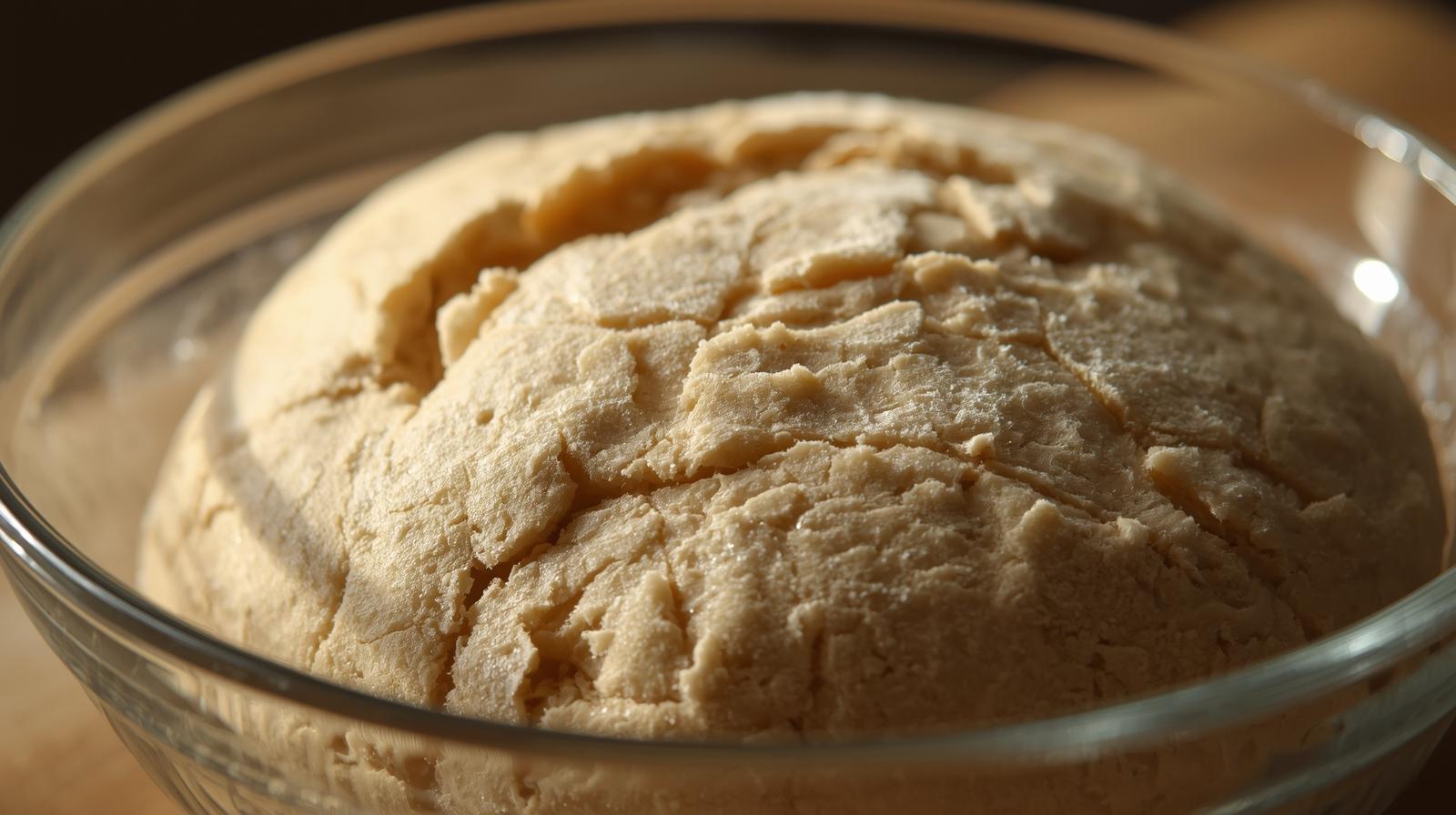
During this time, the dough will slowly rise and form bubbles.
For best results, fold the dough gently once or twice during the first rise to strengthen the gluten.
Your dough should double in size and be airy with visible bubbles when ready.
Step 3: Shaping the Loaf
-
Lightly flour your work surface.
-
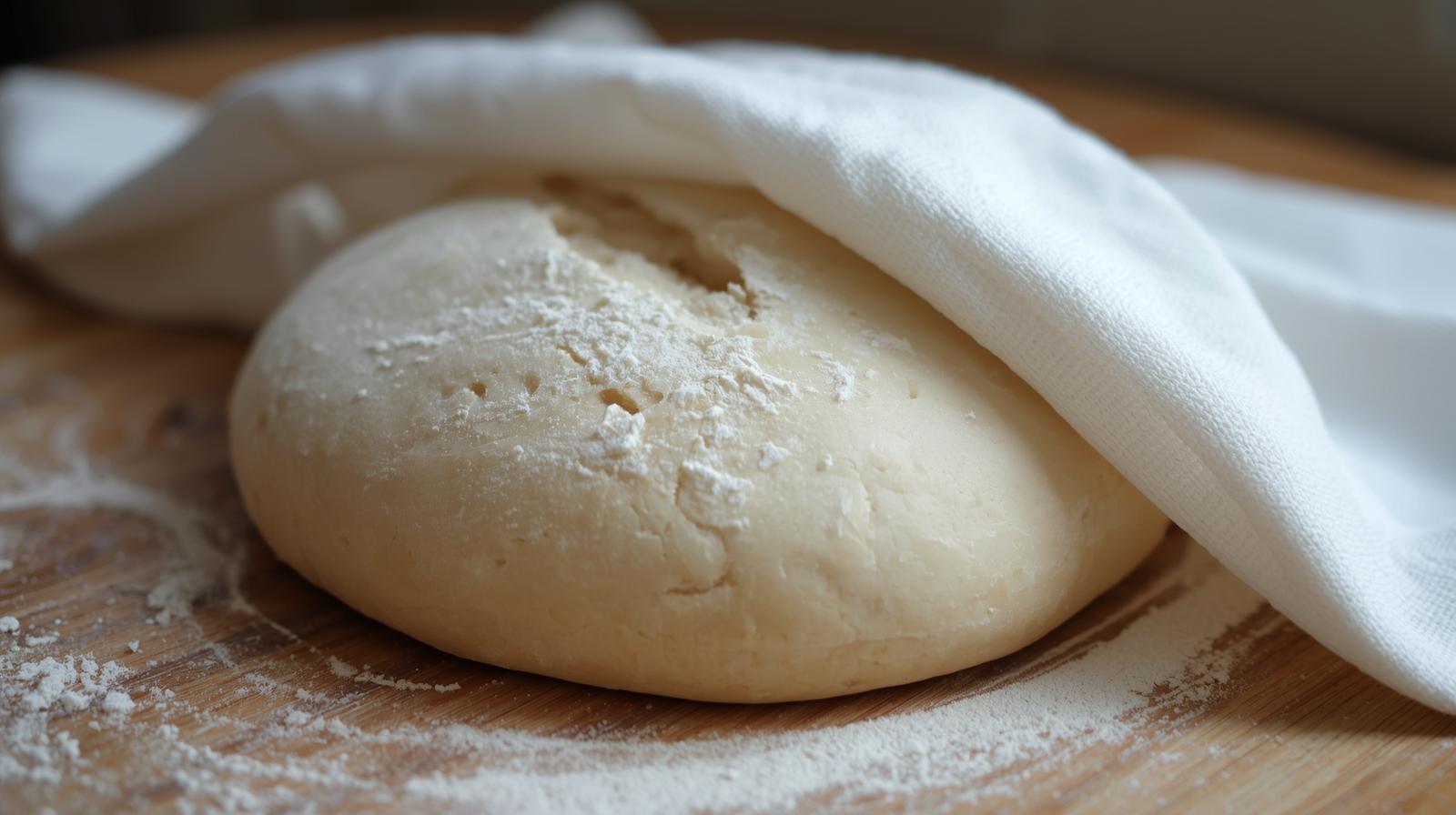
Turn the dough onto the surface and gently shape it into a round or oval loaf.
-
Cover it again with a towel and let it rest for 1–2 hours (second rise).
Tip: Don’t over-handle the dough—keeping air inside is key for a light loaf.
Step 4: Preheating and Baking
1. Preheat your oven to 450°F (230°C) with a Dutch oven inside.

Carefully remove the hot Dutch oven, place the dough inside, and cover with the lid.
2. Bake covered for 30 minutes.
3. Remove the lid and bake for an additional 15–20 minutes until the crust is golden brown.
The bread should sound hollow when tapped on the bottom.

Step 5: Cooling
-
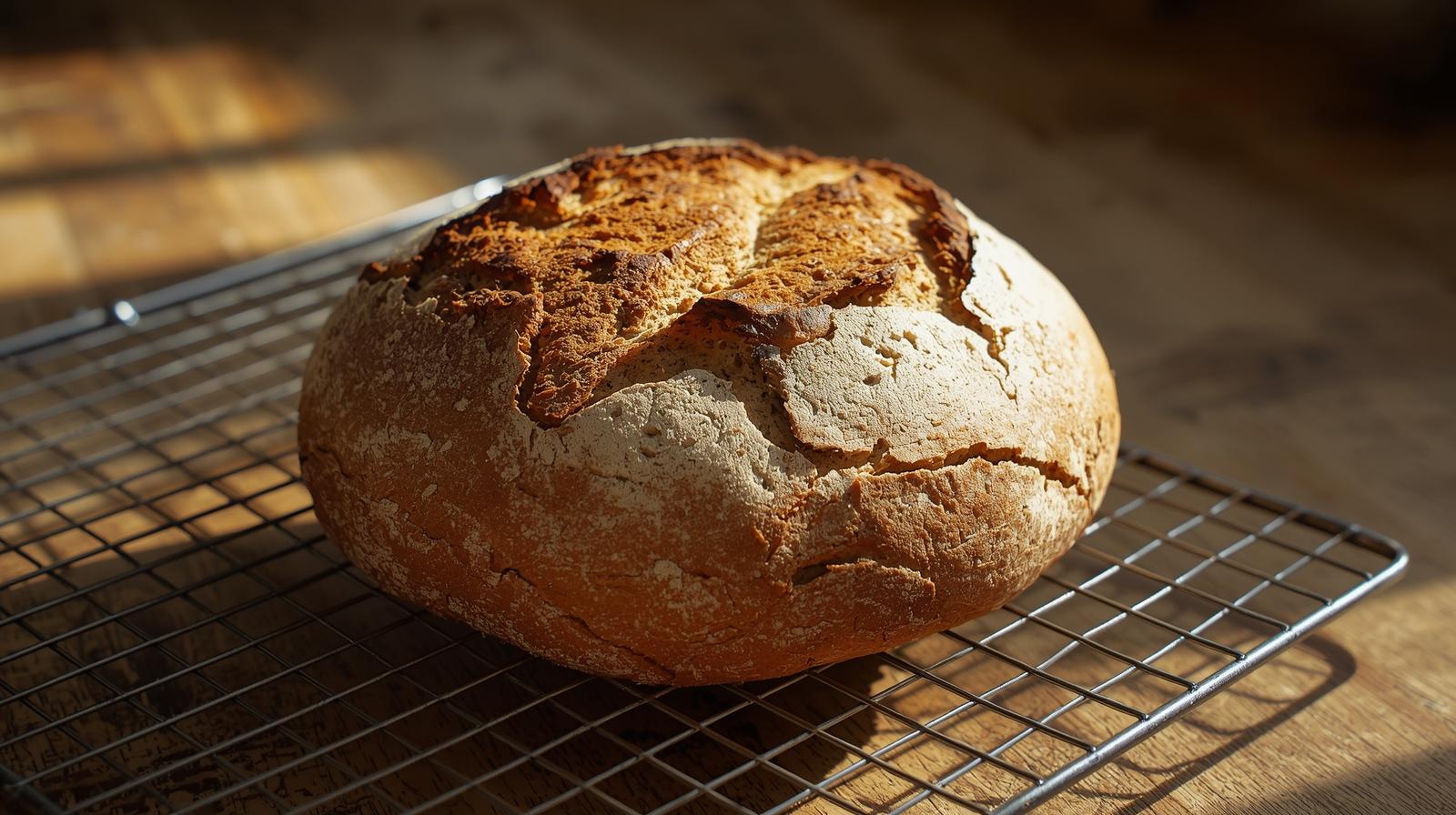
Remove the bread from the Dutch oven and place it on a wire rack.
-
Let it cool completely (2–3 hours) before slicing.
-
Slicing too early can result in a gummy texture.
Tip: The cooling step is essential for perfect crumb structure.
Tips for Perfect Beginner Sourdough Bread
-
Use active starter: Your starter should be bubbly and doubled in size.
-
Room temperature matters: ideal fermentation occurs between 70 and 75°F (21 and 24°C).
-
Hydration: Adjust water slightly depending on flour absorption. Dough should be sticky but manageable.
-
Patience is key: Sourdough takes time, but the results are worth it.
-
Practice makes perfect: Your first loaf may not be perfect—keep trying!
| Problem | Solution |
|---|---|
| The bread didn’t rise | The starter may be weak or the dough too cold. Feed the starter 12–24 hours before baking. |
| Gummy interior | Bread may have been sliced too early; cool completely. |
| Dense loaf | Dough might have been underhydrated or not risen enough. Fold gently during the first rise next time. |
| Crust too dark | Reduce oven temp slightly or cover longer during baking. |
Variations You Can Try
-
Whole Wheat Sourdough Bread: Substitute 1 cup of all-purpose flour with whole wheat flour.
-
Herb Sourdough Bread: Add 1–2 tsp dried rosemary or thyme to dough.
-
Cheese Sourdough Bread: Fold ½ cup shredded cheese into dough before shaping.
-
Sourdough Rolls: Divide dough into smaller portions before the second rise.
- How to Store Your Bread
-
Short-term: Wrap in a clean kitchen towel for 1–2 days at room temperature.
-
Long-term: Slice and freeze for up to 3 months. Toast slices directly from frozen.